A new CTRM system is taking shape
First insights. The name stays under wraps for now
What I am building right now
After more than 15 years of CTRM projects, a new system is currently taking shape. Web-based from the ground up, it features AI as an integral part of the user experience, and an architecture that adapts to the company rather than the other way around. The project name stays unpublished for now; the guardrails behind it I happily share today.
CTRM is not a standard process like HR or procurement. A system for Commodity Trading & Risk Management has to represent formula pricing, physical supply chains, derivatives and risk control at the same time, while staying usable for traders, risk controllers and the back office alike.
Every CTRM project starts with three questions: Can the system mirror our processes, does it stay explainable to audit and regulators, and can people actually use it without studying a manual first?
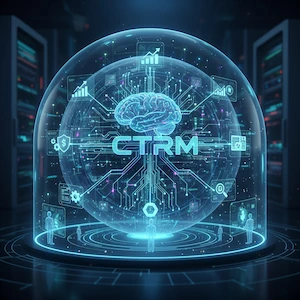
The guardrails of the new system
What the upcoming CTRM system is meant to stand for: from the way it is used to the place it runs.
AI for an optimised user experience
An AI assistant explains the numbers, walks users through processes and answers questions in the context of your own workflows instead of making people hunt through menus. Reports, filtered searches and routines can start from a plain-language request.
Adaptability
Modules, roles, workflows and forms can be configured without touching the code. The system follows your book, your units and your approval paths and grows with you when new products arrive.
Web-native, available everywhere
Runs in the browser, on any device, with no installation and no local clients. Updates happen centrally and without downtime for the trading desk.
Security & data sovereignty
Role-based permissions, traceable approvals and an audit-proof log. It runs where your data lives: in your own infrastructure or in an environment you control.
Integrated risk engines
Mark-to-Market, Value-at-Risk, stress tests and hedge effectiveness work directly on the deal book. No exports into side systems and no overnight batch just to reconcile a baseline.
Open architecture
Interfaces instead of a black box: data can be read straight into BI tools, integrations are documented, processes automated.
What this means for you
Whatever system you run today, the bar for CTRM keeps rising: faster valuations, more transparency, less manual rework. A system designed around those expectations from day one saves time in delivery and money in operation.
I continue to advise companies independently on CTRM selection and implementation. Whether the system described here becomes a topic for you one day is something we can discuss personally.